
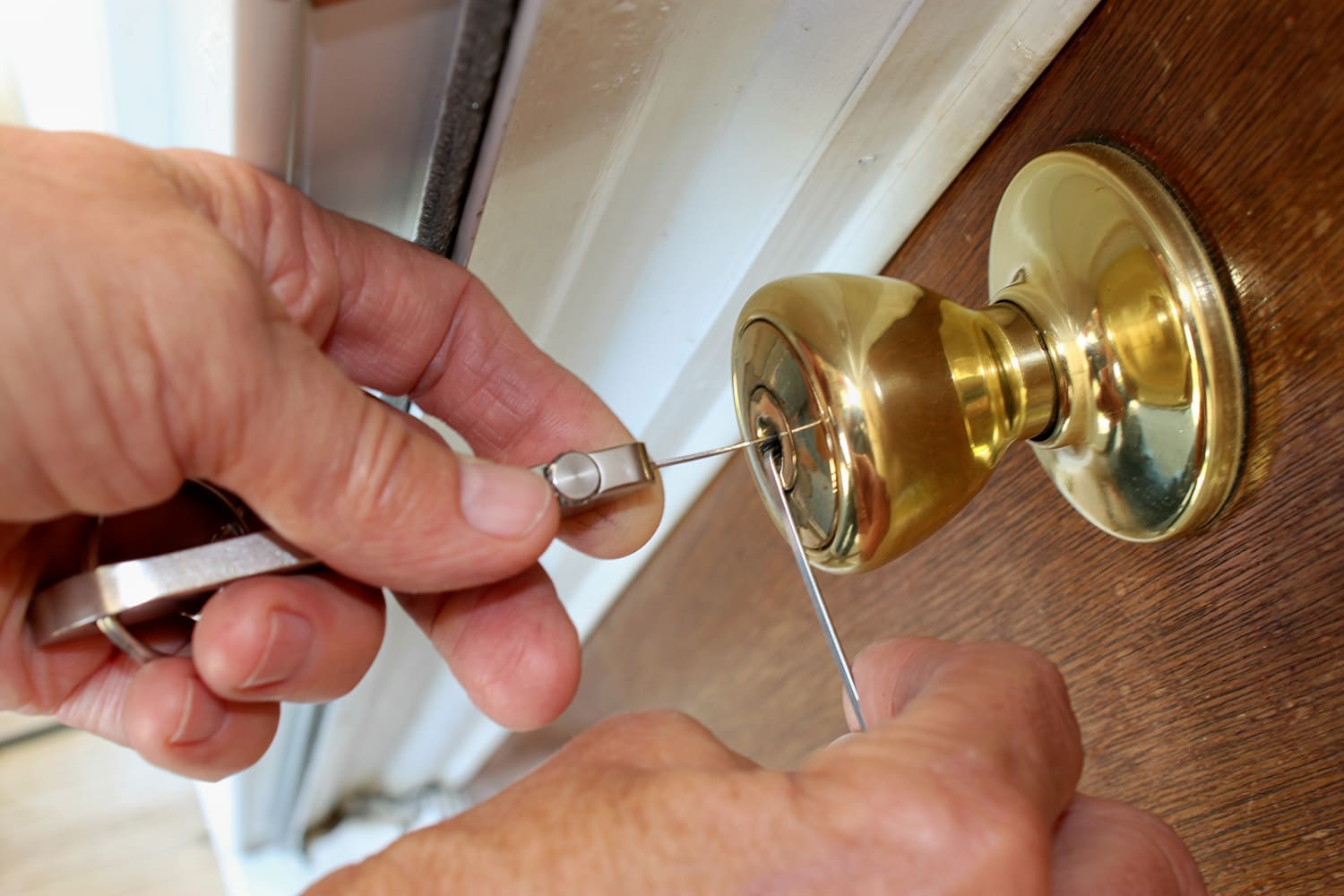
You’re standing outside your home or car, locked out, stressed, and searching your phone for a locksmith. The first result promises a $19 service call, and someone will be there in 20 minutes. It sounds perfect. But what happens next could cost you hundreds of dollars and leave you feeling confused.
Locksmith scams are well-documented and growing nationwide, and Lancaster County is not immune. Fake locksmiths and lead-generation call centers have flooded search results, preying on people at their most vulnerable moments. Knowing how these scams work before you ever pick up the phone is the single best way to protect yourself.
What Does a Locksmith Scam Actually Look Like?
The setup is almost always the same. A low price gets advertised online, usually something like a “$19 service call” or a suspiciously cheap flat rate. You call the number, which routes through a national call center, not a local business. A technician shows up in an unmarked vehicle with no company branding. Then the story changes.
Suddenly your lock is “high security” and requires drilling. The quoted price balloons. You’re standing there, locked out, with a stranger telling you the job will cost $300 or more. You feel trapped because you are.
This bait-and-switch pricing tactic is the core of most locksmith price scams. It works because people in lockout situations are under pressure and often feel they have no other choice.
How Do You Know If You’re Calling a Fake Locksmith?
Start by asking one simple question before anyone arrives: what is the full business name, and can you verify a local address?
Legitimate locksmiths have a real presence, whether that’s a physical address or a mobile locksmith vehicle with the company name and logo. If someone can’t give you a verifiable business street address, or if the address points to a home, a vacant lot, or a business that doesn’t match, that is a major red flag for a locksmith scam. Additionally, if someone rolls up in a white van and they immediately bring out a drill, you can bet they aren’t truly professional locksmiths.
Other red flags to watch for:
- A technician who arrives in an unmarked vehicle with no company name or logo on the truck. A real, established locksmith company brands its vehicles.
- A technician who cannot produce a business card, invoice, or any written estimate before starting work. Always ask for a written estimate before work begins. If they refuse, send them away.
- A quote that changes dramatically once they arrive. Get the price range confirmed on the phone, and if the story changes drastically at the door, you have the right to say no.
What Should a Legitimate Locksmith Invoice Look Like?
A real locksmith gives you a written estimate that breaks down the service charge, labor, and any parts before touching your lock. The invoice should clearly show the company name, a local address, and a phone number.
When the job is done, you should receive an itemized receipt, not just a handwritten total on a sticky note. If the final bill looks nothing like what was discussed, you are likely dealing with a locksmith scam.
Are There Ways to Verify a Locksmith Before They Arrive?
Yes, and you should always do this before anyone pulls into your driveway or before you trust your locks or keys in anyone else’s hands.
- Look up the phone number independently. If the number connects to a company name you cannot find with a real address and real reviews, be cautious.
- Search the company name along with your city. Legitimate businesses have a local footprint, reviews on Google, and a history in the community. If you cannot find anything, or if the website looks generic and has no local information, that could be a warning sign.
- Ask if the company is an ALOA member. ALOA, the Associated Locksmiths of America, is a professional trade organization. ALOA member locksmiths meet professional standards and adhere to a code of ethics. Membership is not a guarantee, but it is a meaningful trust signal.
- Check the truck when they arrive. If the vehicle does not show the company name on the side, do not let that person into your home. Ask them to confirm their identity and the company they represent before any work begins.
Why Are Fake Locksmith Near Me Searches So Dangerous?
Search engines show paid ads at the top of results, and many of those ads are placed by national lead-generation companies, not local locksmiths. When you search for a “fake locksmith near me” situation and want to avoid one, the irony is that the top results are often exactly what you’re trying to avoid.
These companies collect your information, sell the lead to whoever will pay for it, and send out a technician with no accountability to a local business or community. There is no storefront to walk into, no manager to speak with, and no reputation built over decades of service.
Searching for a locksmith in Lancaster PA specifically, or filtering by businesses with verified local addresses, is a much safer approach than clicking the first ad you see.
Frequently Asked Questions About Locksmith Scams
If you are searching for a locksmith and something feels off, you are not alone. These are some of the most common questions people ask when trying to figure out whether they are dealing with a legitimate company or a locksmith scam.
Is a $19 locksmith service call real?
Almost never. The “$19 service call” is one of the most well-known locksmith scam tactics used to get a technician to your door. Once they arrive, the price almost always climbs dramatically with added charges for drilling, parts, or “high security” locks. A legitimate locksmith will give you an honest estimate on the phone and stick to it.
How do I know if a locksmith is legitimate?
Look for a verifiable local address, a branded service vehicle, a listed phone number that connects directly to the business, and proof of licensing and bonding. ALOA membership is another positive indicator. If any of these are missing or difficult to confirm, that is a red flag worth taking seriously.
What should I do if a locksmith tries to drill my lock instead of picking it?
Drilling is sometimes necessary, but it should not be the first move. A skilled locksmith will attempt to pick or bypass the lock before resorting to drilling. If a technician immediately reaches for a drill without explaining why, ask questions. Drilling a lock and replacing it is a common upsell tactic in locksmith price scams.
Can I get a written estimate before the work starts?
Yes, and you should always ask for one. A legitimate locksmith will provide a written estimate before touching anything. If they refuse or push back, that is a clear warning sign that the final bill may look nothing like what was discussed over the phone.
Are fake locksmiths actually a problem in Lancaster, PA?
Yes. Locksmith scams are not limited to large cities. Lancaster County residents have encountered bait-and-switch pricing, unmarked vehicles, and inflated charges from out-of-area operators. Searching specifically for established local businesses with a real storefront and a verifiable local history is the best way to protect yourself.
What is the difference between a real locksmith and a lead-gen locksmith?
A real locksmith is a licensed, local professional working out of an identifiable business. A lead-gen operation is a call center that collects your information and sells it to whoever will pay for the job. The person who shows up may have no accountability to a local business, no consistent training, and no reputation to protect in your community.